About bus body
Bus Body Manufacturing involves the design, fabrication, and assembly of bus bodies on vehicle chassis, tailored to meet safety standards, comfort, and functional requirements. The process includes structural fabrication, paneling, interior fitting, electrical systems, seating, painting, and finishing.
Manufacturers focus on durability, passenger safety, fuel efficiency, and aesthetic appeal while complying with transport regulations. Bus bodies can be customized for different purposes such as school buses, city transport, staff buses, tourist coaches, and special-purpose vehicles. High-quality materials, skilled craftsmanship, and modern manufacturing techniques ensure long-lasting performance and reliability.
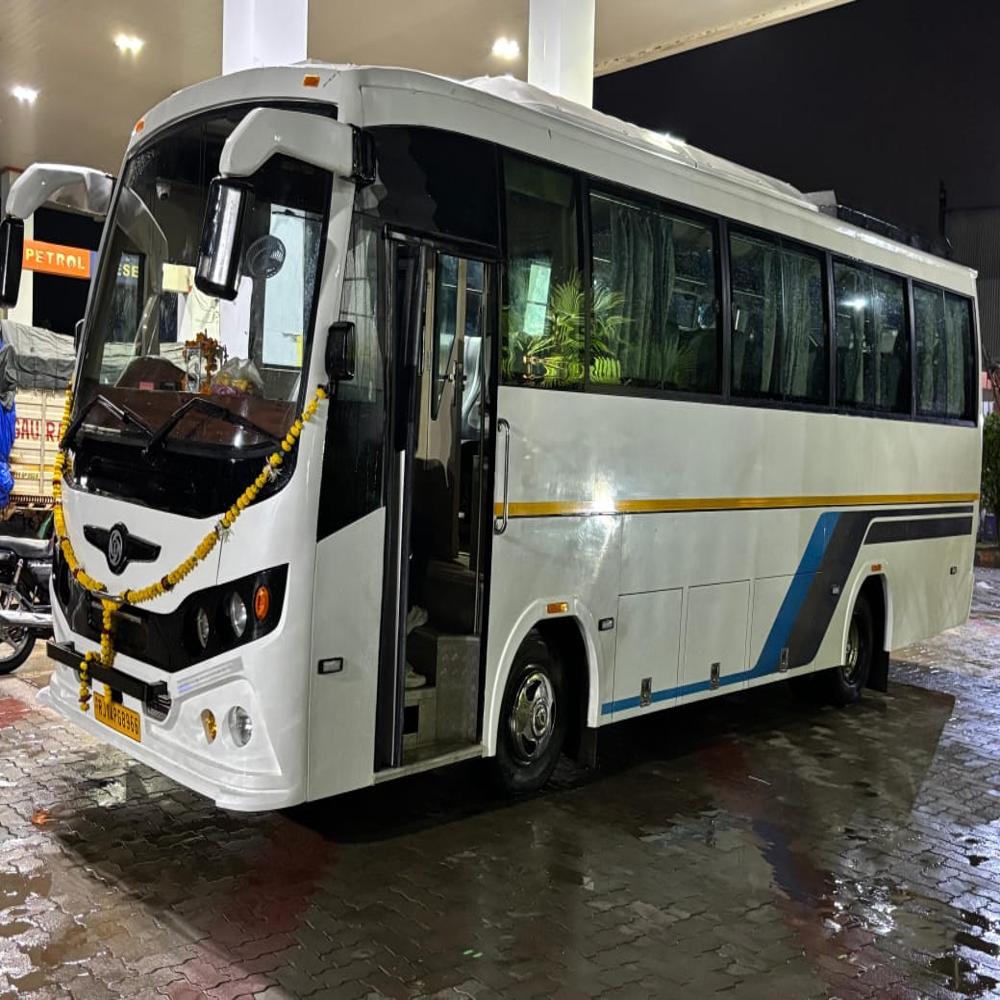
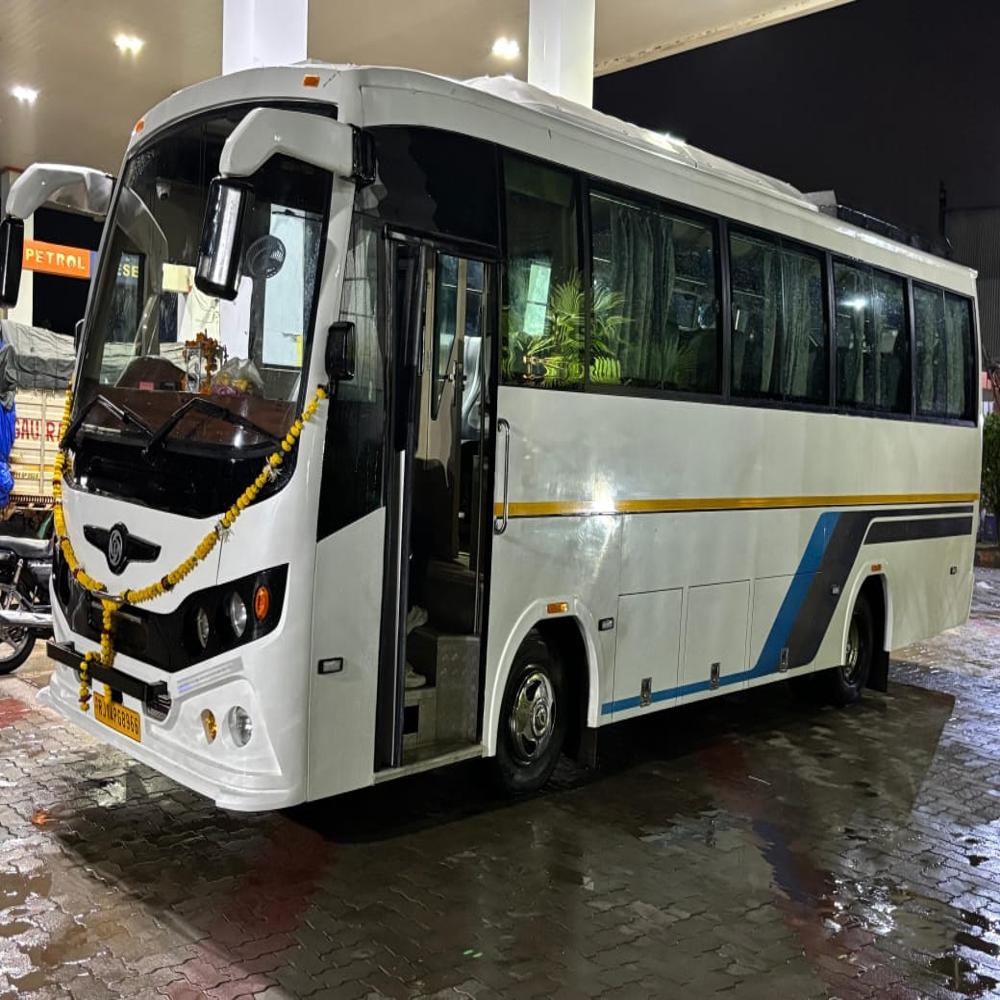
Modern Bus Structure and DesignThe semi-monocoque body paired with a heavy-duty ladder frame chassis enhances structural integrity while ensuring passenger comfort and safety. With aerodynamic front styling and integrated headlamps, the bus offers both visual appeal and improved fuel efficiency. Its galvanized sheet panels and weather-resistant PU paint provide lasting durability against harsh weather conditions.
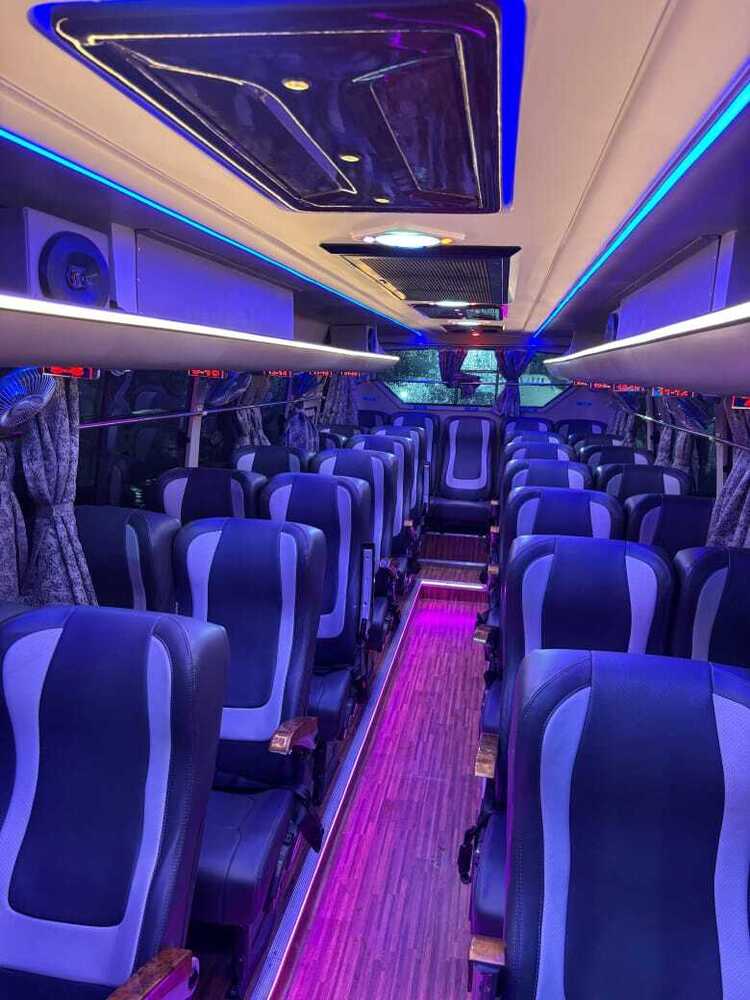
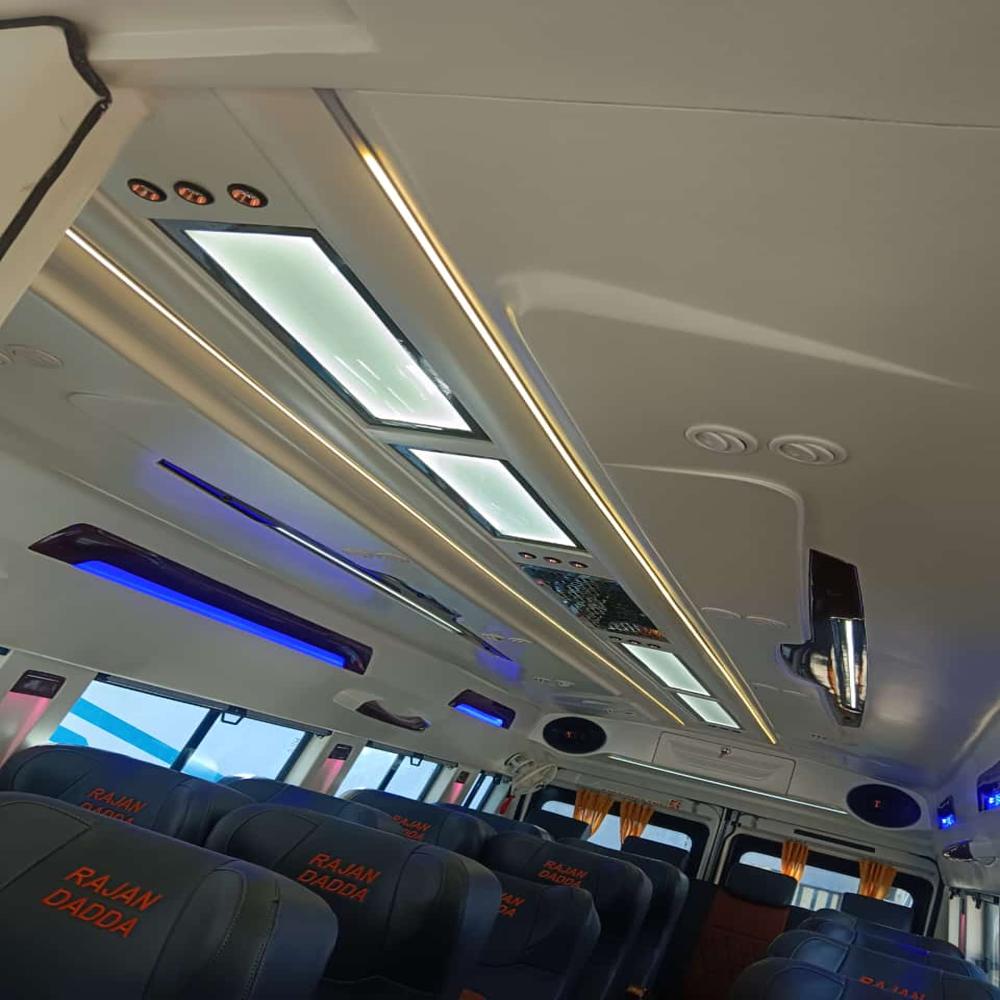
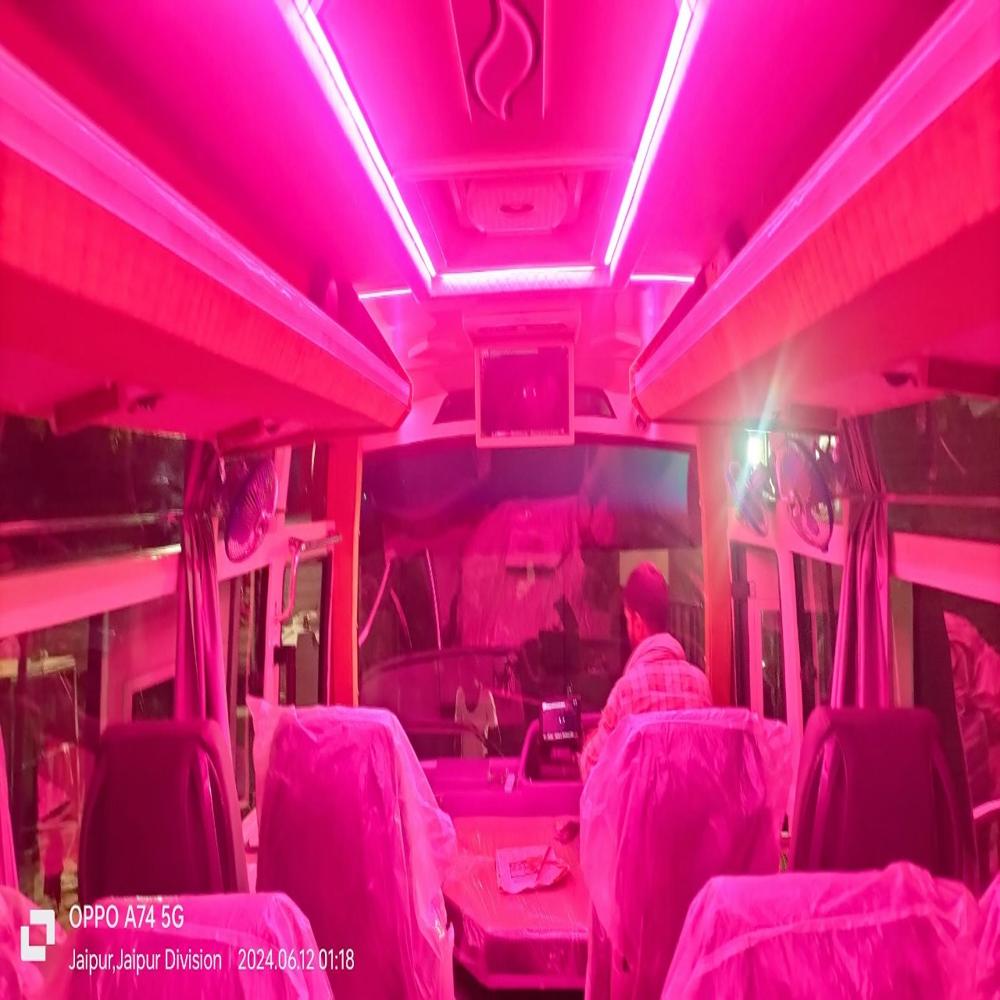
Comfort and Safety FeaturesPassenger convenience is prioritized with amenities like roof-mounted AC, pneumatic swing doors, sliding glass windows, overhead luggage racks, and individual reading lights. Safety features include air brakes with ABS, wide-angle rearview mirrors, fire extinguishers, and anti-slip vinyl flooring. The interior and exterior are illuminated by energy-efficient LED lights for increased visibility.
FAQ's of bus body:
Q: How is the durability of the bus body ensured?
A: The bus features a semi-monocoque structure built on a heavy-duty ladder frame chassis, using mild steel and aluminium, as well as galvanized sheet side panels. This combination provides robust support and long-lasting durability, even under demanding operating conditions.
Q: What passenger amenities are included in this bus model?
A: Passengers benefit from roof-mounted air conditioning and blower, overhead luggage racks for storage, individual reading lights, comfortable seating for up to 40 people, and easy-access pneumatic swing doors with sliding glass windows.
Q: When should the air brake system with ABS be maintained?
A: Regular maintenance is recommended according to the manufacturer's schedule-typically every 5,000 to 10,000 kilometers or as indicated by vehicle diagnostics-to ensure optimal safety and braking performance.
Q: Where can this bus model be utilized most effectively?
A: This medium-capacity bus is well-suited for intercity and urban transportation, private charters, institutional staff shuttles, and school transport across India, thanks to its robust construction and comfort features.
Q: What is the process for customizing the bus body accessories?
A: Customization can be arranged at the manufacturing or export stage. Clients may specify preferred accessories such as additional luggage racks, customized seating, infotainment systems, or exterior branding, which are then incorporated into the production process.
Q: How does the HVAC system enhance passenger comfort during travel?
A: The roof-mounted AC and blower deliver consistent cooling throughout the cabin, ideal for India's diverse climate, while sliding windows allow for natural ventilation when desired.
Q: What are the benefits of the weather-resistant PU paint finish?
A: Weather-resistant PU paint provides excellent protection against UV rays, rain, and oxidation, preserving the bus's aesthetic appeal and reducing long-term maintenance costs.

 Send Inquiry



 Send Inquiry


 Send Inquiry


